Introduction
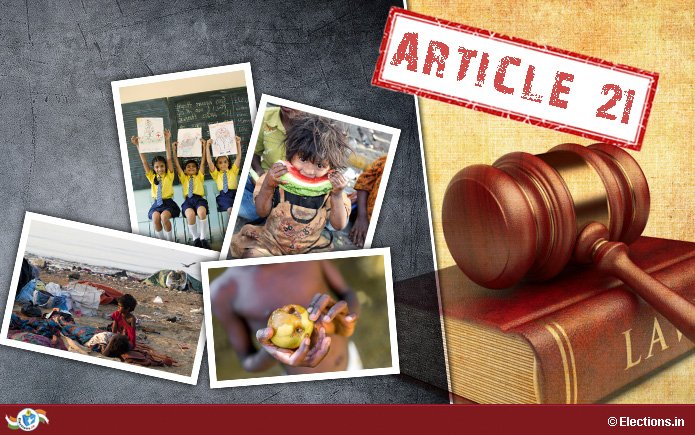
If I had to pick the single most powerful line in the Indian Constitution, it would be Article 21. Just one sentence, barely twenty words, and yet courts have used it to protect everything from personal privacy to the right to die with dignity. The article 21 right to life isn’t just about staying alive — it’s grown into something far bigger than its original text suggests.
Let’s go through what it actually says, how courts have expanded it, and why it matters to you even outside a courtroom.
What Does Article 21 Actually Say?
The text itself is short: “No person shall be deprived of his life or personal liberty except according to procedure established by law.”
Quick answer: Article 21 guarantees that no person can be deprived of life or personal liberty except through a fair, just, and reasonable legal procedure — and courts have interpreted it to include dignity, privacy, health, and a clean environment.
Notice it says “person,” not “citizen” — so this protection extends to foreigners in India too, which surprises a lot of people.
From Narrow Reading to Expansive Interpretation
In the early years after independence, in the A.K. Gopalan case (1950), the Supreme Court read Article 21 very narrowly — as long as there was some procedure established by law, that was enough, fair or not.
Everything changed with Maneka Gandhi v. Union of India (1978). The Court ruled that the procedure itself must be fair, just, and reasonable — not arbitrary. This single judgment is arguably the reason Article 21 became the expansive right it is today.
What All Falls Under Right to Life Today?
This is where it gets genuinely interesting. Over the decades, courts have read the following into Article 21:
- Right to live with human dignity (Francis Coralie Mullin, 1981)
- Right to a clean environment (M.C. Mehta cases)
- Right to privacy (Justice K.S. Puttaswamy, 2017 — a landmark 9-judge bench ruling)
- Right to health and medical care
- Right to shelter
- Right to legal aid for the poor
- Right to speedy trial
I find it remarkable, honestly, that a single line drafted decades ago keeps stretching to cover modern issues like data privacy and even internet access, which some High Courts have linked to Article 21 too.
The Puttaswamy Judgment: A Turning Point for Privacy
The 2017 Puttaswamy ruling deserves special mention. A nine-judge bench unanimously held that the right to privacy is intrinsic to the article 21 right to life and personal liberty. This judgment later became the foundation for challenges to Aadhaar overreach, data protection debates, and even questions around surveillance.
Right to Die: Where the Law Draws the Line
Does Article 21 include a right to die? Courts have said no to a general right to suicide (which remains decriminalised under mental health law but not a “right” per se), but yes to passive euthanasia and the right to die with dignity in terminal, irreversible conditions, as recognised in Common Cause v. Union of India (2018), which also validated “living wills.”
How Article 21 Protects Ordinary People Day to Day
It’s easy to think of Article 21 as something that only shows up in big Supreme Court judgments. But it quietly protects ordinary situations too:
- Protection against illegal detention or arrest without following due process
- Right to a fair and speedy trial if you’re accused of a crime
- Protection of undertrials from indefinite pre-trial detention
- Access to basic healthcare in government facilities
[link to related guide on fundamental rights vs fundamental duties here]
Limitations: Article 21 Isn’t Absolute
Even this powerful right can be reasonably restricted — through a procedure that is fair and backed by law. For example, preventive detention laws restrict personal liberty but must still satisfy the “fair procedure” test laid down after Maneka Gandhi.
[link to related guide on how to file a civil suit here]
FAQ
Does Article 21 apply to non-citizens in India? Yes. Article 21 uses the word “person,” so it protects citizens and non-citizens (including foreign nationals) alike, unlike some rights limited to citizens only.
What did the Maneka Gandhi case change about Article 21? It established that the procedure depriving someone of life or liberty must be fair, just, and reasonable — not arbitrary — expanding the article’s scope dramatically.
Is the right to privacy part of Article 21? Yes, confirmed unanimously by a nine-judge Supreme Court bench in the 2017 Puttaswamy judgment.
Can Article 21 be suspended during an emergency? No. Article 21, along with Article 20, cannot be suspended even during a National Emergency, per Article 359.
Does Article 21 include the right to a clean environment? Yes, courts have consistently read environmental protection into the right to life through cases like the M.C. Mehta litigation.
Conclusion
Article 21 started as a short, almost bare-bones guarantee and has grown, judgment by judgment, into the backbone of individual liberty in India. Whether it’s privacy, health, dignity, or a fair trial, this one article keeps showing up as the constitutional anchor. If you ever feel your personal liberty or dignity has been unfairly compromised by state action, this is the article your lawyer will likely reach for first.