Introduction
A wrong diagnosis. A surgery that went sideways. A medicine dosage that clearly wasn’t checked properly. These situations leave families not just grieving or worried, but genuinely confused about what to do next. Filing a medical negligence complaint India law allows for isn’t as complicated as people assume, but it does require the right approach from the very first step — otherwise weak complaints get dismissed before they’re properly heard.
What Legally Counts as Medical Negligence?
Medical negligence isn’t the same as a bad outcome. Not every failed treatment or unfortunate result is negligence — doctors aren’t expected to guarantee cures, only to exercise reasonable skill and care.
Quick answer: Medical negligence occurs when a doctor or hospital fails to provide the standard of care that a reasonably competent professional would provide in similar circumstances, and this failure directly causes harm to the patient — established through the “Bolam test” widely followed in Indian courts.
The Bolam Test: How Courts Actually Judge Negligence
Indian courts, following Jacob Mathew v. State of Punjab (2005), largely apply the Bolam test — a doctor isn’t negligent if their conduct aligns with what a responsible body of medical professionals would consider acceptable practice, even if other professionals might have acted differently.
This matters because it sets a fairly high bar. A complaint can’t just say “the doctor should’ve done X instead” — it needs to show the doctor’s actual conduct fell below accepted medical standards.
Common Examples of Medical Negligence
- Wrong-site surgery or leaving surgical instruments inside the body
- Misdiagnosis due to failure to order reasonably necessary tests
- Medication errors — wrong drug, wrong dosage, dangerous drug interactions ignored
- Failure to obtain informed consent before a risky procedure
- Delayed treatment in emergency situations without reasonable justification
Step 1: Gather Medical Records Immediately
This is the single most important early step. Request complete records — case papers, prescriptions, test reports, discharge summary, nursing notes — as soon as possible. Delayed requests sometimes lead to “misplaced” records, and I’ve genuinely seen this happen in disputed cases.
Step 2: Get an Independent Medical Opinion
Before filing anything formal, have another qualified doctor review the records and give an opinion on whether the treatment deviated from acceptable standards. Courts and consumer forums place real weight on expert medical opinion — your complaint is only as strong as this evidence.
Step 3: Choose the Right Forum
Depending on the nature of your case and the compensation sought:
- Consumer Disputes Redressal Commission — for compensation claims (District, State, or National Commission depending on the amount)
- State Medical Council — for disciplinary action against the doctor’s licence
- Civil Court — for larger compensation claims, though this tends to be slower
- Criminal Complaint — reserved for cases of gross negligence amounting to criminal recklessness, under relevant provisions
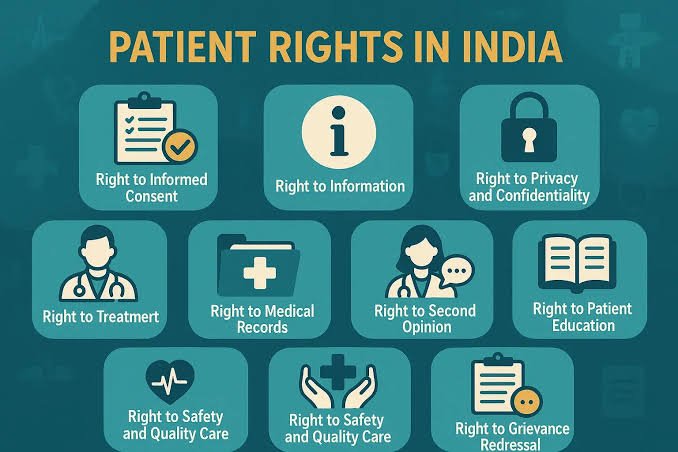
[link to related guide on patient rights in India here]
Step 4: File the Complaint With Supporting Evidence
Your complaint should include the medical records, the independent expert opinion, a clear timeline of events, and the specific compensation or relief sought. Vague complaints without expert backing rarely succeed — I want to be direct about that, because a lot of aggrieved families file emotionally strong but evidentially weak complaints.
What Compensation Can You Expect?
Quick answer: Compensation in medical negligence cases varies widely based on the severity of harm, loss of income, and medical expenses incurred, ranging from a few lakh rupees in moderate cases to significantly higher amounts in cases involving death, permanent disability, or gross negligence.
[link to related guide on how to file a civil suit in India here]
Time Limit for Filing
Consumer complaints generally must be filed within 2 years from the date the cause of action arose, though delay can sometimes be condoned with sufficient justification — don’t count on that though, act promptly.
FAQ
How do I prove medical negligence in India? Through medical records, an independent expert medical opinion establishing deviation from standard care, and evidence of harm directly resulting from that deviation.
Which forum should I approach for a medical negligence complaint? Consumer forums for compensation claims, the State Medical Council for professional disciplinary action, and criminal courts only for cases of gross, reckless negligence.
Is a bad treatment outcome automatically medical negligence? No, an unfortunate outcome alone doesn’t establish negligence — the treatment must be shown to have fallen below reasonable, accepted medical standards.
What is the time limit to file a medical negligence complaint? Generally two years from when the cause of action arose, under the Consumer Protection Act, though delays can sometimes be condoned with valid reasons.
Can a hospital be held liable along with the doctor? Yes, hospitals can be held vicariously liable for negligence by their staff, particularly if systemic failures (like inadequate staffing or equipment) contributed to the harm.
Conclusion
Filing a medical negligence complaint India courts and consumer forums will actually take seriously requires more than anger and grief — it requires records, expert backing, and the right forum. If you believe negligence caused genuine harm to you or a loved one, move quickly to secure documentation and get an independent medical opinion before anything else. That foundation is what separates a complaint that goes somewhere from one that gets dismissed at the first hearing.